· Blog · 3 min read
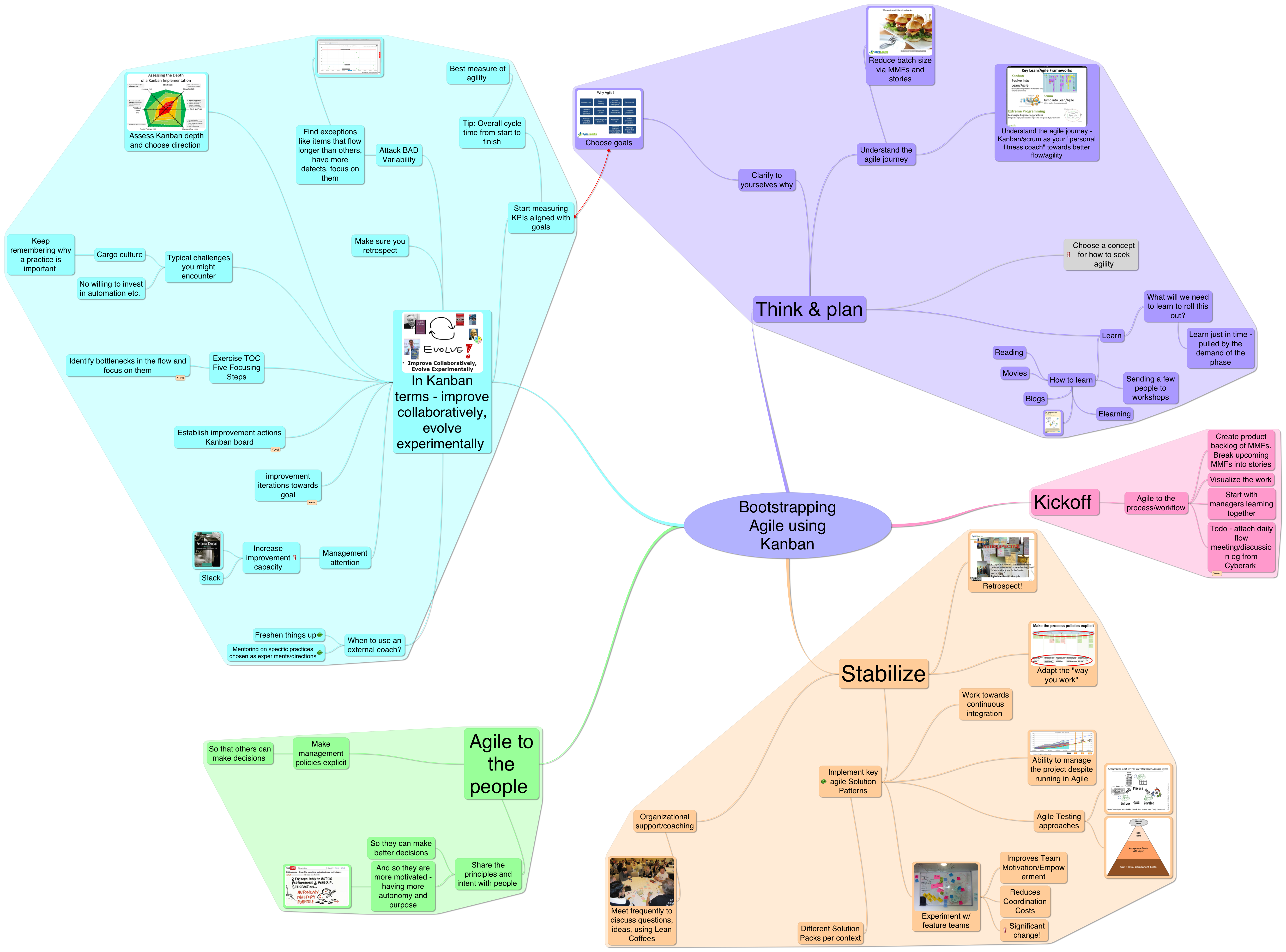
David Anderson shares Goals for using Kanban
Goals for using Kanban
Goal 1. Improved performance through process improvements introduced with minimal resistance
Goal 2. Deliver with High Quality
policies around what is acceptable before a work item can be pulled to the next step in the process
focus on quality by limiting work-in-progress
Goal 3. Deliver a predictable cycle time by controlling the quantity of work-in-progress
WIP is directly related to cycle time
correlation between cycle time and a non-linear growth in defect rates
keep WIP small
limit it to a fixed quantity
Goal 4. Give team members a better life through improved work/life balance
providing reliability
Providing a good work life balance will make your company a more attractive employer in your local market
Goal 5. Provide slack by balancing demand against throughput
when you balance the input demand against the throughput, you create idle time everywhere in your value chain with the exception of the bottleneck resource
Slack can be used to improve responsiveness to urgent requests and to provide bandwidth to enable process improvement. Without slack team members cannot take time to reflect upon how they do their work and how it might be done better. Without slack they cannot take time to learn new techniques, to improve their tooling or their skills and capabilities. Without slack there is no liquidity in the system to respond to urgent requests or late changes. Without slack there is no tactical agility in the business.
Goal 6. Provide a simple prioritization mechanism that delays commitment and keeps options open
one fundamental problem. In order to respond to change in the market and evolving events, it is necessary to reprioritize
asking business owners to prioritize things is challenging
They may move slowly. They may refuse to cooperate. They may become uncomfortable and dysfunctional. They may simply react by thrashing and constantly changing their minds, randomizing project plans and wasting a lot of team time reacting to the change
What is needed is a prioritization scheme that delays commitments as late as possible and provides a simple question that is easy to answer
Kanban provides this by asking the business owners to refill empty slots in the queue while providing them a reliable cycle time and due date performance metric.
Goal 7. Provide a transparent scheme for seeing improvement opportunities enabling change to a more collaborative culture that encourages continuous improvement
Goal 8. A process that will enable predictable results, business agility, good governance and the development of what the Software Engineering Institute calls a “high maturity” organization
Business leaders want to be able to make promises to their colleagues around the executive committee table, to their board of directors, to their shareholders, to their customers and to the market in general, and they want to be able to keep those promises
Success at the senior executive level depends a lot on trust and trust requires reliability
So business leaders want their business to be agile. They want to respond to change quickly and take advantages of opportunities
good governance. They want to show that investors’ funds were spent wisely. They want costs under control and they want their investment portfolio risk spread optimally
more transparency into their technology development organizations.
know the true status of projects and they’d like to be able to help when it is appropriate.
more objectively managed organization that reports facts with data, metrics and indicators not anecdotes and subjective assessment
Posted from Diigo. The rest of my favorite links are here.